A Delaware judge has tossed Christopher Barrett’s $200M lawsuit against Bungie and Sony, not on the facts, but because the case was filed in the wrong court.
Former Marathon director Christopher Barrett filed his lawsuit against Bungie and Sony on December 12, 2024, claiming the companies wrongfully fired him and did it, in his view, to dodge tens of millions in payments tied to Bungie’s post-acquisition agreements.
The lawsuit came after public reporting about why Bungie let him go. Bloomberg reported that an internal investigation found Barrett acted inappropriately toward multiple women at the studio, and that at least eight female employees raised complaints. The report described things like flirty messages, comments about looks, and “truth-or-dare” conversations.
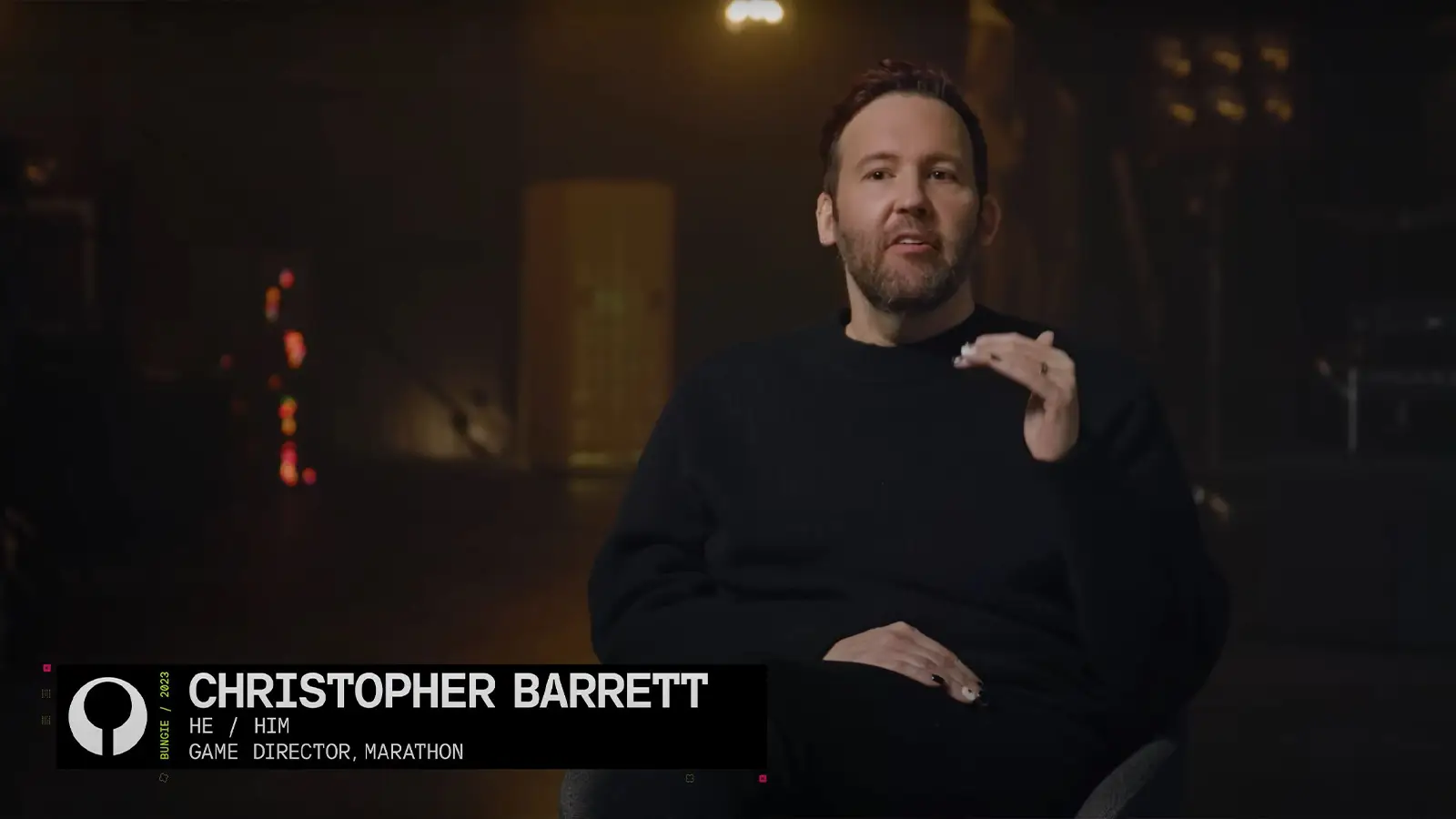
From Barrett’s side, the story has been that Bungie and Sony used him as a “scapegoat” and fired him to avoid paying him money tied to Bungie’s Sony acquisition and related deals. From Sony and Bungie’s side, the argument has been that he was terminated “for cause” after multiple reports from employees, and they’ve said they’ll fight the claims.
Now, there’s a big development.
In a new court order filed on December 10, 2025, and obtained by The Game Post, Delaware’s Court of Chancery has dismissed the case.
Delaware court dismisses Chris Barrett lawsuit against Bungie and Sony
The biggest thing to understand is that the judge did not decide who’s telling the truth about what happened at Bungie. Instead, the Court of Chancery said it cannot hear this dispute at all, because what’s left in the lawsuit is essentially about money damages.
The order explains that the Court of Chancery is a limited court. It mainly handles certain kinds of disputes, like cases where someone is asking for special “equitable” fixes, not just money. “The case is dismissed for lack of jurisdiction,” the order reads.
“The Court of Chancery is a court of limited jurisdiction. It possesses subject matter jurisdiction only when ‘(1) one or more of the plaintiff’s claims for relief is equitable in character, (2) the plaintiff requests relief that is equitable in nature, or (3) subject matter jurisdiction is conferred by statute.'”
The order also shows how this got to this point. On October 13, 2025, the court issued an order asking why the case should not be thrown out for lack of jurisdiction.
“On October 13, 2025, the court issued an order to show cause why the case should not be dismissed for lack of subject matter jurisdiction. Dkt. 62. Only the defendants argued that subject matter jurisdiction exists. Dkt. 65. The Employee was happy to transfer the case to Superior Court.
“Under Court of Chancery Rule, this court must dismiss a lawsuit when it lacks subject matter jurisdiction. This court has an independent obligation to evaluate whether subject matter jurisdiction exists.”
The court walks through a few different attempts to keep the case in Chancery, and rejects them one by one. A lot of it comes down to the same idea that even if the dispute is tied to stock awards, merger-related agreements, or a payment plan, the remaining fight still looks like a fight over money payments, which is usually a “regular court” issue, not a Chancery issue.
There’s also a moment where Sony and Bungie argued that questions about interest could matter later, and the judge basically says that is not enough to decide jurisdiction.
“The defendants also contend that any claim to an award of interest would require interpreting the Merger Agreement. The question of interest will not come up until the end of the case, and then only if the Employee prevails. It is also unlikely that there will be a significant dispute over the interest rate. The interest rate tail should not wag the jurisdictional dog.”

And when it comes to Barrett’s FMLA-related requests, the order notes that he asked for reinstatement, but the judge says it’s very unlikely the court would actually do that, and that money damages would probably cover it anyway.
“Here, reinstatement may be theoretically available, but it is highly unlikely that the court would grant it. A damages remedy is highly likely to be adequate.”
What happens next
This dismissal does not automatically mean the dispute is over. The order lays out that Barrett can choose to move the case to Delaware Superior Court under a state transfer rule. “The plaintiff can make a timely election to have the matter transferred to the Delaware Superior Court.”
For now, we’ll have to wait and see how this progresses further.
This is also not the only lawsuit Sony is dealing with right now. Sony recently sued Tencent over Light of Motiram, accusing it of copying its Horizon games.
What do you think about this? Let us know your thoughts in the comments below!
Don't miss the big stories. Make us your preferred source on Google to get breaking news, leaks, and exclusives first.