





![Kingdom Hearts Collection [I-III]](https://thegamepost.com/wp-content/uploads/2026/10/Kingdom-Hearts-Collection-I-III-Cover-64x85.jpg)


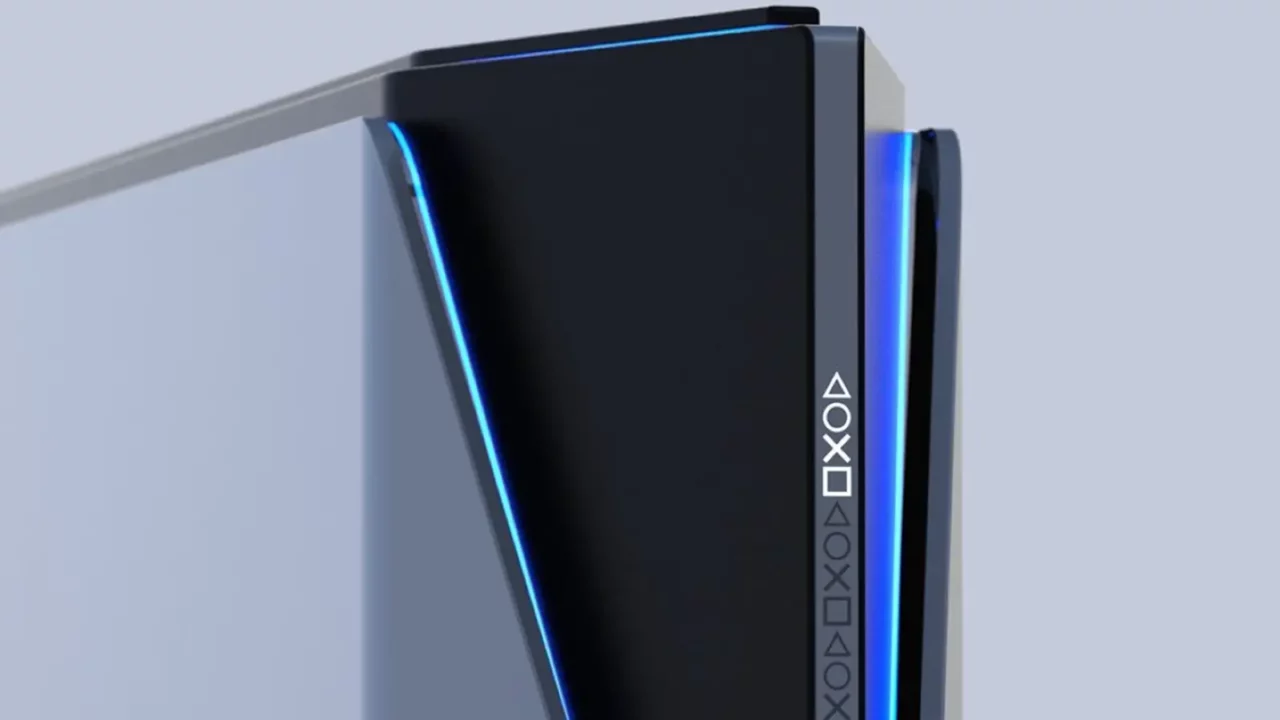
A new PS6 leak claims Sony is planning a lower-power APU, more RAM, and a modest chip cost increase for its next PlayStation console.
Over the last couple of months to a year, we’ve been getting a lot of reports and rumors around Sony‘s next-generation console, the PlayStation 6. These rumors have pointed to an AMD Zen 6 CPU, RDNA 5 graphics, GDDR7 memory, and a possible late-2027 or early-2028 release window for PS6.
One earlier report also put the console near 160W, suggesting Sony may be chasing efficiency instead of building another oversized box that needs its own weather system.
The memory question has been harder to pin down. Sony’s current PS5 uses 16 GB of GDDR6, but leaked PS6 reports haven’t agreed on a final capacity, bus width, or memory cost. That matters because RAM prices can wreck a console budget faster than another 10 compute units ever will.
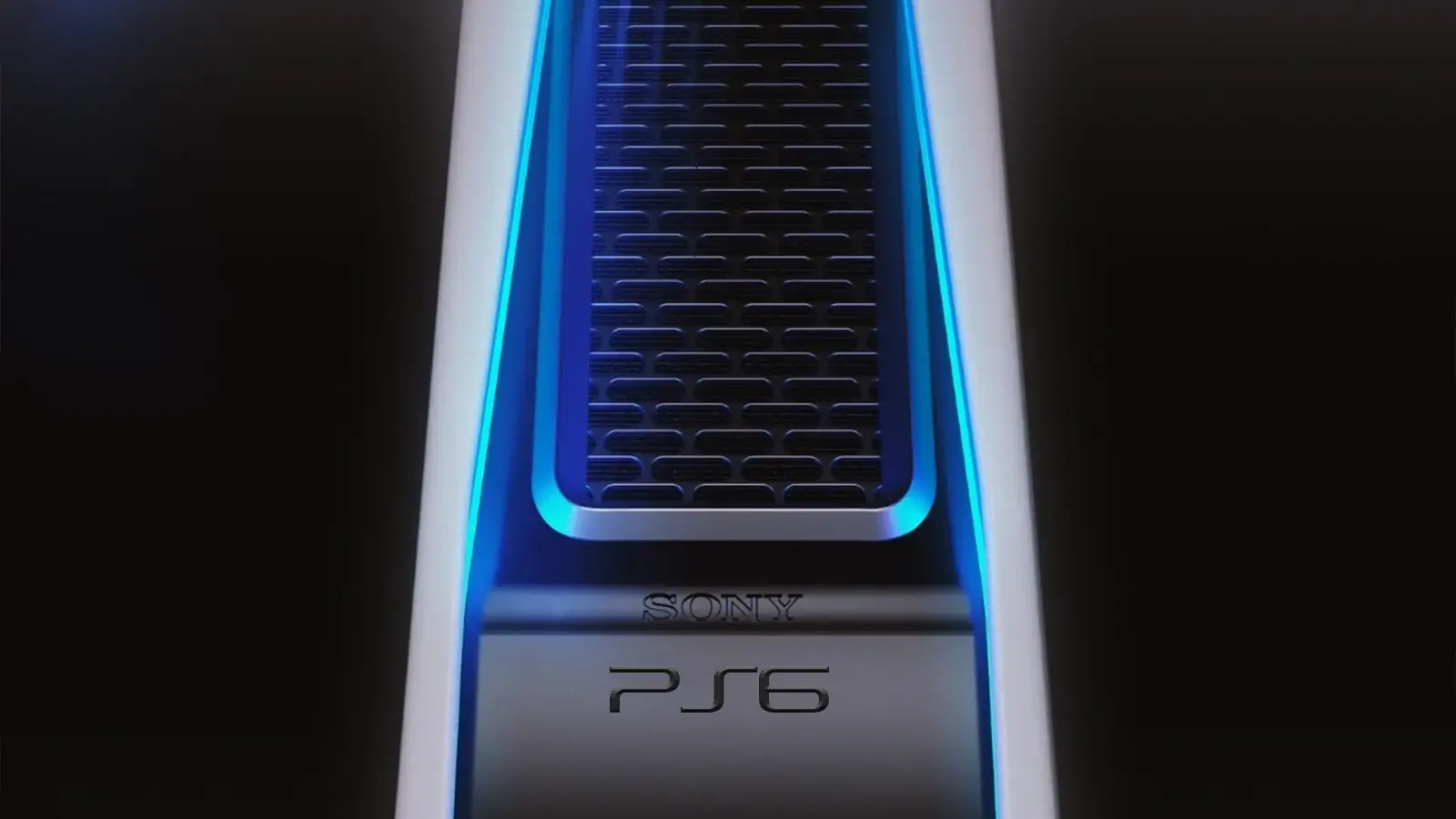
- Related: New Playstation 6 Leak Claims Sony Is Working On AI “Fake” Frame Generation For Its Next-Gen Console
Now, well-known hardware leaker and insider Moore’s Law Is Dead has added a more direct claim about Sony’s current hardware target.
PS6 Leak Says the APU Uses Less Power Than PS5
Speaking on the Broken Silicon podcast, MLID host Tom said the PS6 APU is planned to consume less energy than the PS5’s chip while carrying more RAM. He framed the comment as information he had seen, rather than a guess based on public specifications.
“PS6’s APU is planned to use less energy than PS5. It will have more RAM,” Tom said.
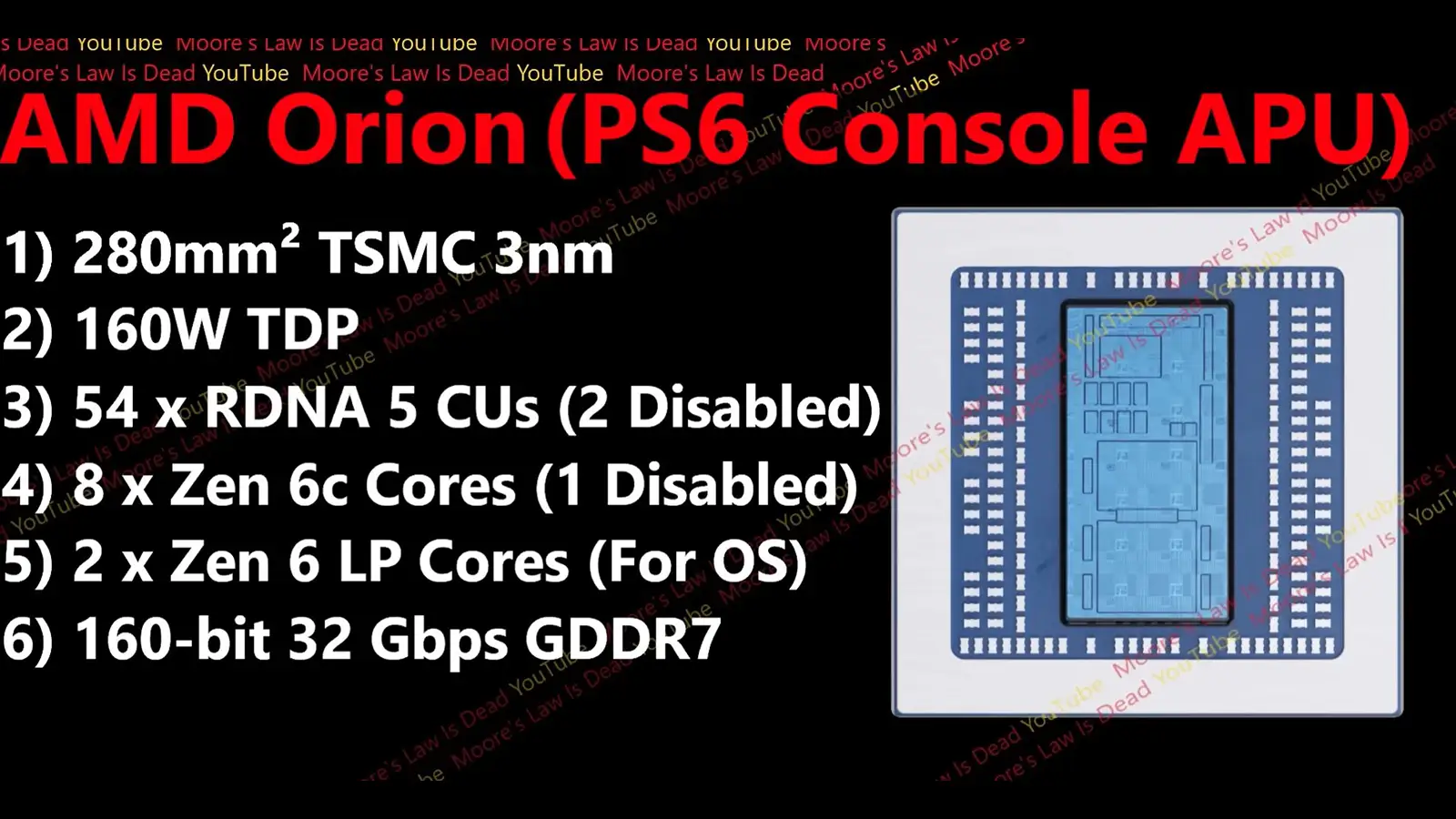
MLID also showed a slide containing claimed specifications for AMD’s Orion PS6 APU. According to the slide, Sony is targeting a 280 mm² chip manufactured on TSMC’s 3nm process, with a 160W TDP. The proposed design contains 54 RDNA 5 compute units with two disabled, leaving 52 active, alongside eight Zen 6c CPU cores with one disabled. Two separate Zen 6 low-power cores would handle operating-system tasks.
The same slide lists a 160-bit GDDR7 memory interface running at 32 Gbps, which works out to 640 GB/s of theoretical bandwidth.
- Related: New PlayStation 6 Handheld Leak Claims Sony Is Prepping “Canis” Through PS5 Power Saver Mode
These figures provide more context for his claim that PS6’s APU will use less power than PS5’s. The reported 160W target applies to the Orion APU rather than the console’s total wall power, which will also include storage, cooling, voltage conversion, and other components.
Tom also suggested the PS6 chip could cost around $40 more than the current comparison point, describing the APU as relatively small. His wording was loose enough that this should be treated as an estimate, not a finished bill of materials.
The more interesting part is the balance Sony appears to be chasing. More memory would give developers extra room for larger assets, ray-tracing data, and background systems. A lower-power APU could keep heat and manufacturing costs under control. That trade makes more sense than brute-forcing every problem with a larger die, especially when Sony already uses PSSR on PS5 Pro to recover image quality from lower internal resolutions.
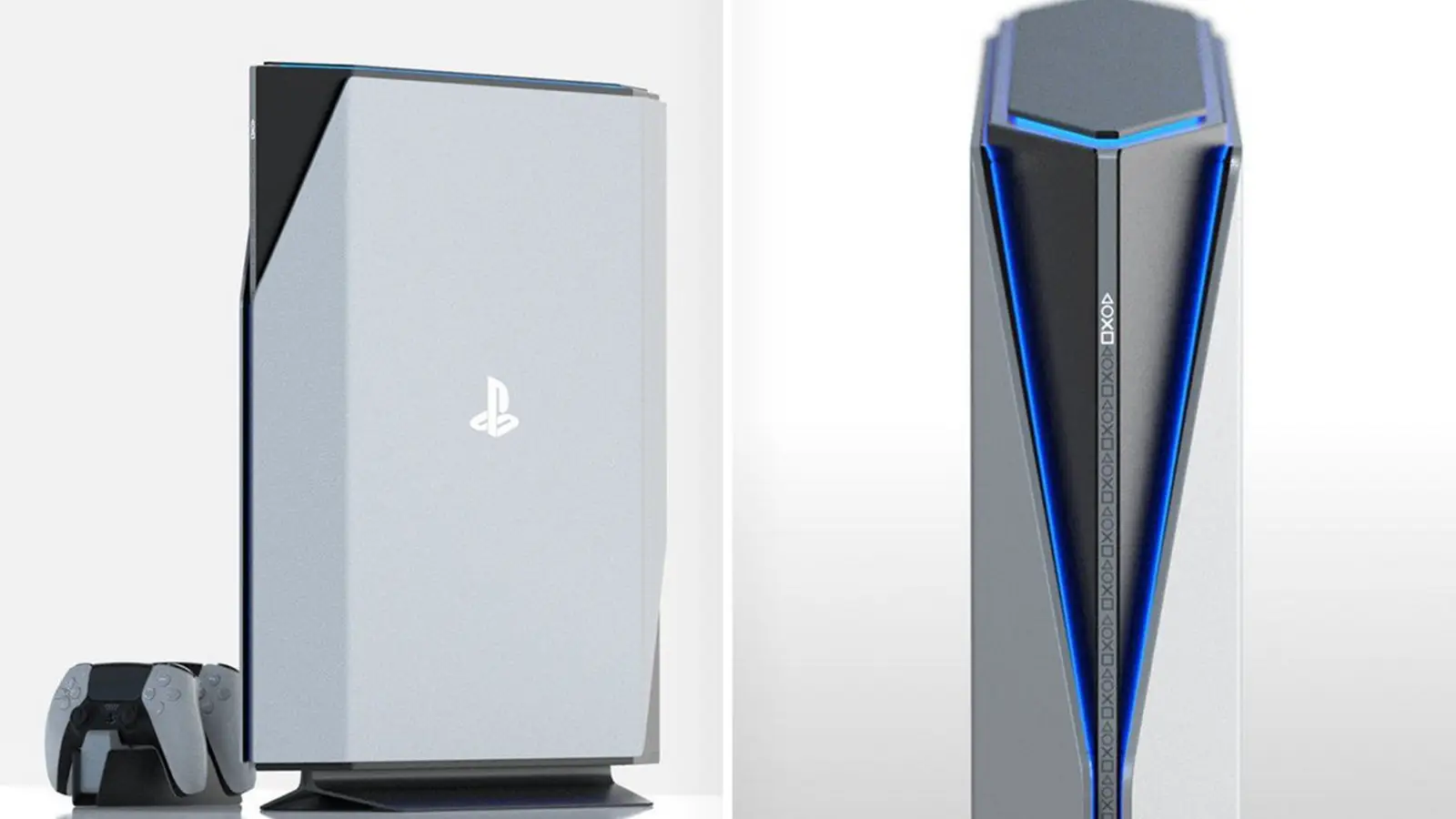
MLID later argued that memory prices could still force Sony to sell PS6 hardware at a loss, even if RAM becomes 20% cheaper before launch. Sony can absorb that more easily than a smaller hardware maker because it can sign large supply contracts and recover money through software sales.
Earlier reports have placed PS6 production in early to mid-2027, but Sony hasn’t confirmed the hardware, price, or release date.

Would a lower-power PS6 APU make you more interested in Sony’s next console, or does the final RAM capacity matter more? Let us know in the comments.
