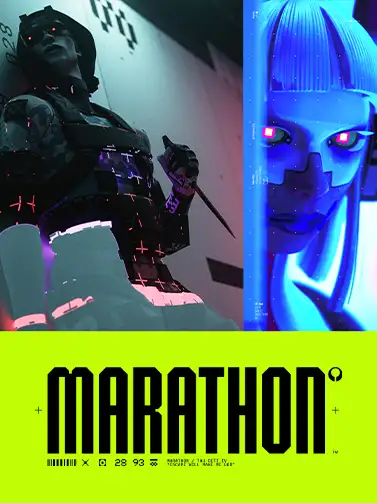




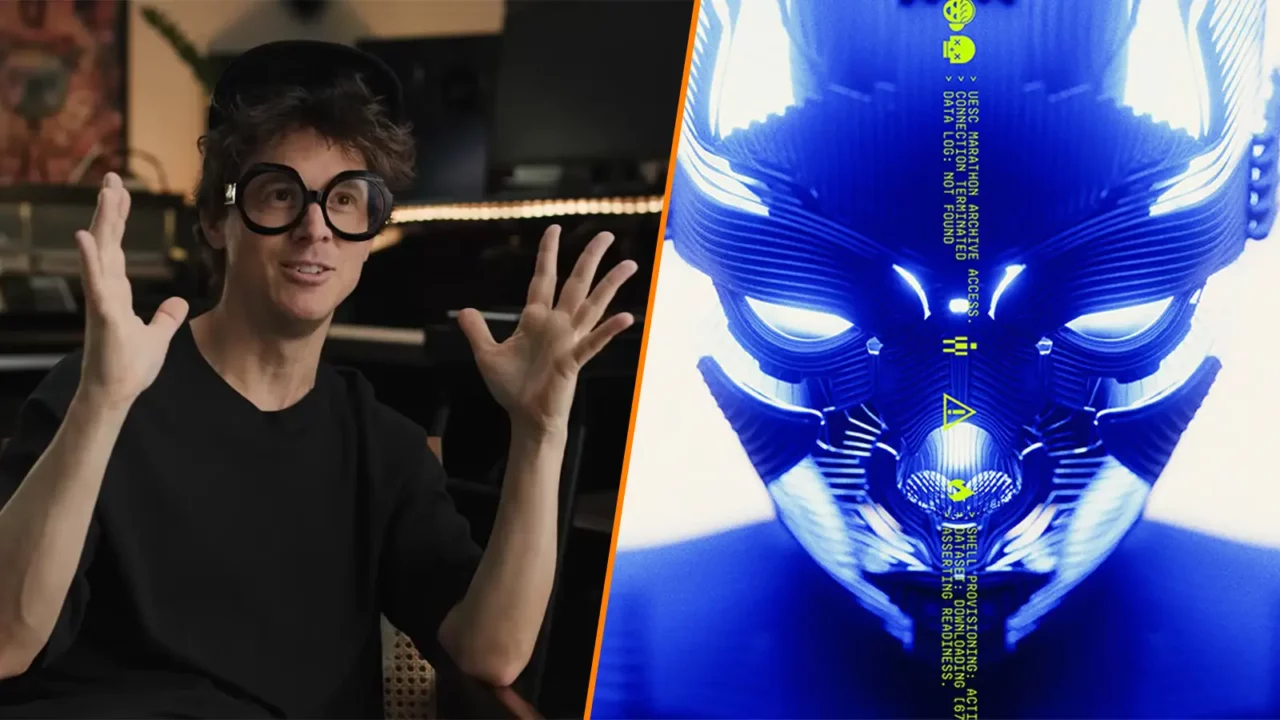
Marathon composer Ryan Lott explains why he intentionally avoided Halo and Destiny‘s music while creating the soundtrack for Bungie‘s new game.
Bungie has a long history of creating memorable video game soundtracks, especially with Halo and Destiny. But when composer Ryan Lott began working on Marathon, he made a conscious decision not to look to either franchise for musical inspiration.
Lott, best known for his work with the experimental music group Son Lux and the Oscar-winning film Everything Everywhere All at Once, recently appeared on the Bonfire Conversations podcast, where he discussed his creative process, how he landed the Marathon project, and why he deliberately avoided drawing from Bungie’s previous soundtracks.

During the conversation, the interviewer brought up Bungie’s reputation for music, particularly its work on Halo and Destiny, and asked Lott if he had tried to follow the studio’s established style when pitching himself for Marathon or if he had decided to stick with his own approach.
Why Marathon’s Composer Chose Not to Follow Halo and Destiny’s Musical Legacy
Lott made it clear that he had no interest in copying another composer’s work just to secure a project.
“I don’t want to be hired at all if what someone wants isn’t what I do uniquely,” Lott said.
He acknowledged that having the freedom to choose projects based on his own creative interests is a privilege, but explained that he believes a composer should be hired for what makes their work different.
“If someone wants what someone else sounds like, I have no business doing that job. That other person should do it…I don’t feel comfortable in anyone else’s skin. And so I only ever want to be hired for what I uniquely do.”
According to Lott, this philosophy is especially important during the early stages of a project, when composers are often asked to submit demos before being hired. He explained that trying to impress a studio by imitating an established musical style could ultimately leave him working on something that doesn’t feel like his own music.
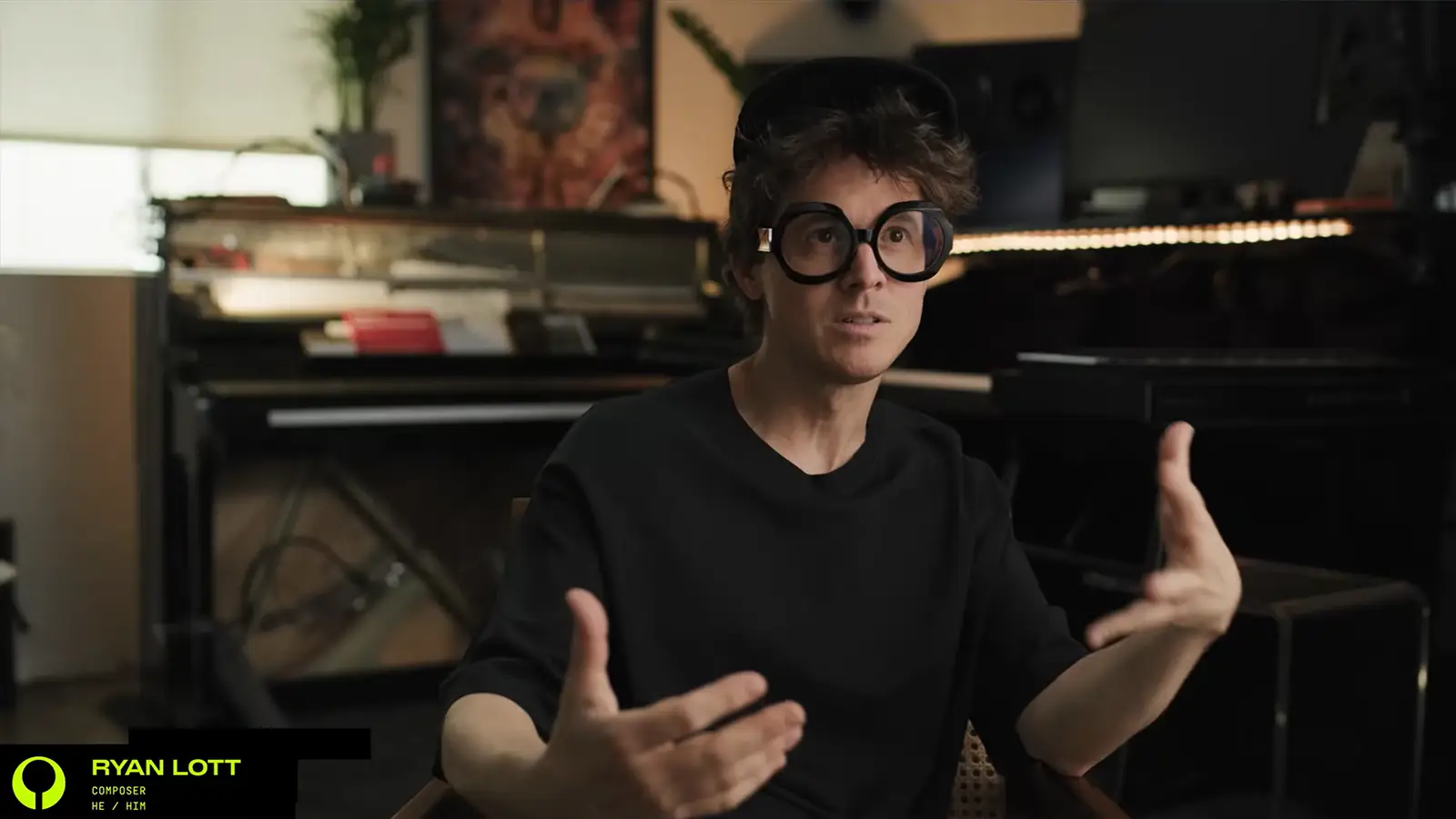
“For me, in a demo phase, I never want to pretend to be anything other than myself. I never want to get engaged in a long-term project by convincing someone they should hire me because I can sound like something I’m not, because then I get roped into a perpetual cycle of making music that doesn’t feel like me.”
That was exactly the approach he took with Marathon. Rather than studying Halo and Destiny’s soundtracks to figure out what Bungie might expect from him, Lott deliberately avoided letting either game’s music influence his compositions.
In the case of Marathon, I was very careful to do not what I thought they would want to hear, as rooted in precedent from either of those games, Destiny or Halo. I wasn’t thinking about that music at all.
“They’re of course thinking about that music. That’s enough of a bias. That’s enough of a, you know, weighty precedent.”
Lott’s reasoning was that Bungie already had years of musical history behind it. The studio’s developers were naturally familiar with the sounds and styles established by Halo and Destiny, so he didn’t see a reason to bring those same influences into his own work.

Instead, he wanted to approach Marathon with a fresh perspective and create something that could stand on its own.
Interestingly, Lott also revealed that he wasn’t initially approached by Bungie for the job. His team contacted the studio after his manager’s son suggested Bungie as a developer worth reaching out to, particularly because rumors about a Marathon revival were beginning to circulate.
After speaking with Bungie audio director Chase Combs, Lott submitted several demos. One additional piece, which would eventually become the beloved track Code Race, helped convince the team to bring him on board.
That decision gave Lott the opportunity to establish a new musical identity for Marathon without following the traditions of Bungie’s previous franchises.

Now, with Marathon’s soundtrack established, Lott says he has something entirely different to draw inspiration from: the music he has already created for the game, alongside its story, lore, and artwork.
“I’m thankful now because the only precedent for Marathon now is my work. There’s so much to explore and the lore is so amazing. The artwork is so amazing. There’s so much inspiration in the game. There’s so many ways that I’m inspired in the process as I’m making this score, which I’m still making more, which is fantastic.”
His comments also confirm that he continues to compose new music for Marathon. Marathon’s soundtrack has also been receiving recognition beyond the game itself. Ryan Lott’s score was nominated for Best Game Music at the 2026 World Soundtrack Awards.
Marathon has also earned a Best Audio Design nomination at the 2026 Golden Joystick Awards. More recently, Lott shared a Grammy “For Your Consideration” campaign for Marathon, Vol. I: Somewhere in the Heavens, putting the soundtrack forward for Best Score Soundtrack for Video Games and Other Interactive Media at the upcoming Grammy Awards.
What are your thoughts on this? Let us know in the comments below!