




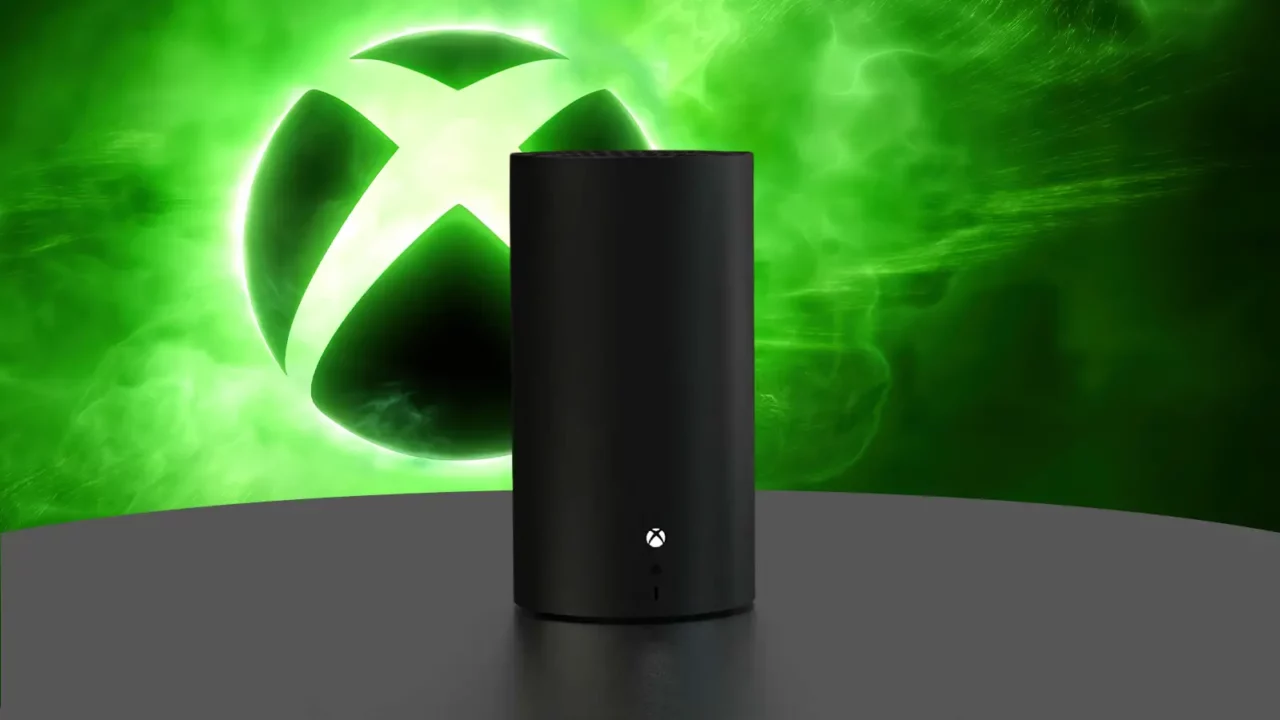
Xbox Project Helix could cost $1,200 to $1,800 and launch in holiday 2028, as Microsoft considers subsidizing its next console.
Microsoft’s current-generation Xbox consoles have sold a little over a third as many units as PlayStation 5, according to third-party estimates cited by Fortune. Hardware costs are climbing, too, with memory chip shortages adding pressure to a console business already struggling to compete with Sony.
Asha Sharma replaced Phil Spencer as Xbox CEO in February. Now she’s trying to rebuild that business. Her plans include new hardware under the Project Helix name, developed with designers at Microsoft’s Building 87 lab in Redmond.

A new Fortune investigation (paywalled) has revealed a potentially steep price tag and a release window for the next Xbox console.
Xbox Project Helix Reportedly Targets Holiday 2028 With a $1,200 to $1,800 Price
Microsoft’s next-generation Xbox console is internally projected to cost consumers between $1,200 and $1,800, unless the company decides to subsidize it, according to a new report by Fortune. The publication also reports that Sharma plans to release the console during the 2028 holiday season.
Neither the price nor the launch window has been formally announced by Microsoft. Fortune describes the pricing as an internal projection, meaning the final amount customers pay could change, particularly if Microsoft chooses to absorb some of the hardware cost.

Even at the bottom of that range, Project Helix would be an expensive proposition for a console. Asking $1,200 for hardware meant to draw people back to Xbox is a tough sell when the company has already lost so much ground to PlayStation. A $1,800 asking price would put it closer to high-end gaming PCs than conventional consoles.
Fortune’s report paints a picture of a gaming business under serious financial pressure. Xbox generates roughly $21 billion in revenue, but a Microsoft measure of the division’s profit margin has reportedly hovered around 3%.
According to the publication, that’s between one-third and one-tenth of competitors’ margins. The pressure has only increased following Microsoft’s $69 billion acquisition of Activision Blizzard in 2023, which made Xbox the company’s third-largest business by revenue.
Part of the problem, according to current and former Xbox employees interviewed by Fortune, comes from Microsoft’s previous strategy. The company spent years expanding Game Pass and acquiring major publishers without giving enough attention to its console business.

Game Pass helped build subscription revenue, but reportedly also hurt full-price sales of Xbox’s own games, particularly around launch. Xbox chief content officer Matt Booty acknowledged the lack of coordination between the company’s different gaming initiatives, saying they “hadn’t connected the dots maybe as well as we should have.”
Sharma is now pushing for a different approach. Fortune reports that Xbox is directing more resources toward its biggest franchises, with smaller studios facing reduced investment or consolidation.
The restructuring has also included significant job cuts. According to the report, Sharma has already eliminated 1,868 positions as part of a broader plan to reduce headcount by 3,200, with additional layoffs reportedly scheduled for October, November, and January.
Despite those cuts, Sharma has set an enormous growth target for Xbox. The company currently reaches around 100 million daily active users, according to Fortune, but the Xbox CEO wants that figure to eventually surpass 1 billion. Explaining her ambitions, Sharma told the publication, “We’re here to be the No. 1 entertainment company.”

That ambition comes as the traditional console market faces its own challenges. Piers Harding-Rolls, an analyst at Ampere Analysis, told Fortune that the global console audience remains limited to roughly 200 million users per generation, with younger players increasingly choosing mobile devices, PCs, and platforms like Roblox.
Microsoft is therefore preparing another generation of Xbox hardware at a time when attracting new console buyers is becoming increasingly difficult.
Fortune also reports that Sharma is targeting holiday 2027 for a separate next-generation handheld, roughly a year before the console. At Building 87, she has been reviewing hardware prototypes and potential partnerships with Xbox designers, including Carl Ledbetter.
Behind the scenes, the hardware push has created friction between Xbox and Windows. Fortune says Windows leaders wanted the handheld to run a trimmed-down version of Windows Home, whereas the Xbox team pushed for control over its software to prioritize gaming performance.

The disagreement reportedly reached the point where a senior Xbox executive threatened to scrap the handheld rather than accept that Windows build.
Xbox has largely secured control over the project’s operating-system direction, according to the report. Sharma stressed that the teams still work together, saying, “We can’t build Helix on our own.”
Fortune’s sources also say Project Helix engineering deadlines have been moved forward by at least several months, putting additional pressure on development staff. Microsoft is reportedly pushing teams to complete the work faster, including through the use of AI.
Would you consider buying the next Xbox at $1,200, or would even the lower end of the reported range be too expensive? Let us know in the comments.
