





Microsoft explored selling or spinning off Xbox after Phil Spencer’s exit, according to a new report.
Phil Spencer‘s exit in February 2026 left Xbox with a new CEO, Asha Sharma, and an expensive problem to solve. Fortune’s new investigation describes an approximately $21 billion gaming business whose current-generation consoles have sold little more than a third as many units as PlayStation 5. A Microsoft measure of Xbox’s profit margin has hovered around 3%, the report says.
Questions about Microsoft’s long-term commitment were already circulating. The Information had previously reported discussions about a possible Xbox spinoff, and Microsoft has been directing enormous resources toward AI.
Sharma, meanwhile, has begun cutting jobs and consolidating studios as she tries to rebuild the gaming division.
Fortune’s latest reporting points to a specific internal discussion.
Microsoft Explored Selling or Spinning Off Xbox
Several current and former staff members told Fortune they believe Microsoft could be preparing Xbox for a sale, spinoff, outside investment, or conversion into a subsidiary. More significantly, some sources said they knew of a high-level presentation, prepared after Sharma took over in February, that examined those possibilities.
The reported presentation adds weight to the story because it points to an internal discussion beyond employees’ own suspicions. Fortune doesn’t identify who prepared the presentation, whether Microsoft’s board reviewed it, or whether executives favored one outcome over the others.
There’s also no indication that potential buyers have been contacted or that outside investors have submitted offers. No transaction timetable was reported.

The investigation also identifies changes in Xbox’s corporate identity. Following Sharma’s appointment, employee email addresses switched from microsoft.com to xbox.com.
Microsoft then dropped the Microsoft Gaming divisional name in April and renamed the operation Xbox. Neither change proves a sale is coming, though their timing has contributed to questions about the business’s future.
Microsoft’s own executives are pushing back. Judson Althoff, who oversees its commercial business, told Fortune, “We would not have put her on a business we intend to sell.”
Althoff argued that Xbox’s low-latency requirements help test Microsoft’s cloud infrastructure and that the division maintains retail relationships with companies such as Walmart. Minecraft also connects Microsoft with younger creators.
Sharma was asked directly whether Xbox would still be a Microsoft division two years from now. She said the brand would remain “an important part of Microsoft for a very long time.” Her response expresses confidence in the relationship without specifying what Xbox’s future corporate structure would look like.
The financial backdrop helps explain why these possibilities are being discussed. Microsoft’s $69 billion Activision Blizzard acquisition expanded Xbox into the company’s third-largest business by revenue, according to Fortune, without resolving its weak margins.
NYU gaming professor Joost van Dreunen suggested that Microsoft’s expensive AI push could eventually make an Xbox selloff attractive, although that’s his assessment rather than a documented Microsoft plan.
Changes are happening regardless of who owns Xbox. Fortune reports that Sharma has already cut 1,868 jobs under a plan targeting 3,200 reductions, with further rounds reportedly planned for October, November, and January. The company is also redirecting resources toward its largest franchises.
Game Pass could be overhauled, too. People familiar with the strategy told Fortune that Microsoft is developing a tiered, à-la-carte model with optional features for console-only games, cloud gaming, and multiplayer. No new subscription prices or rollout date were provided.
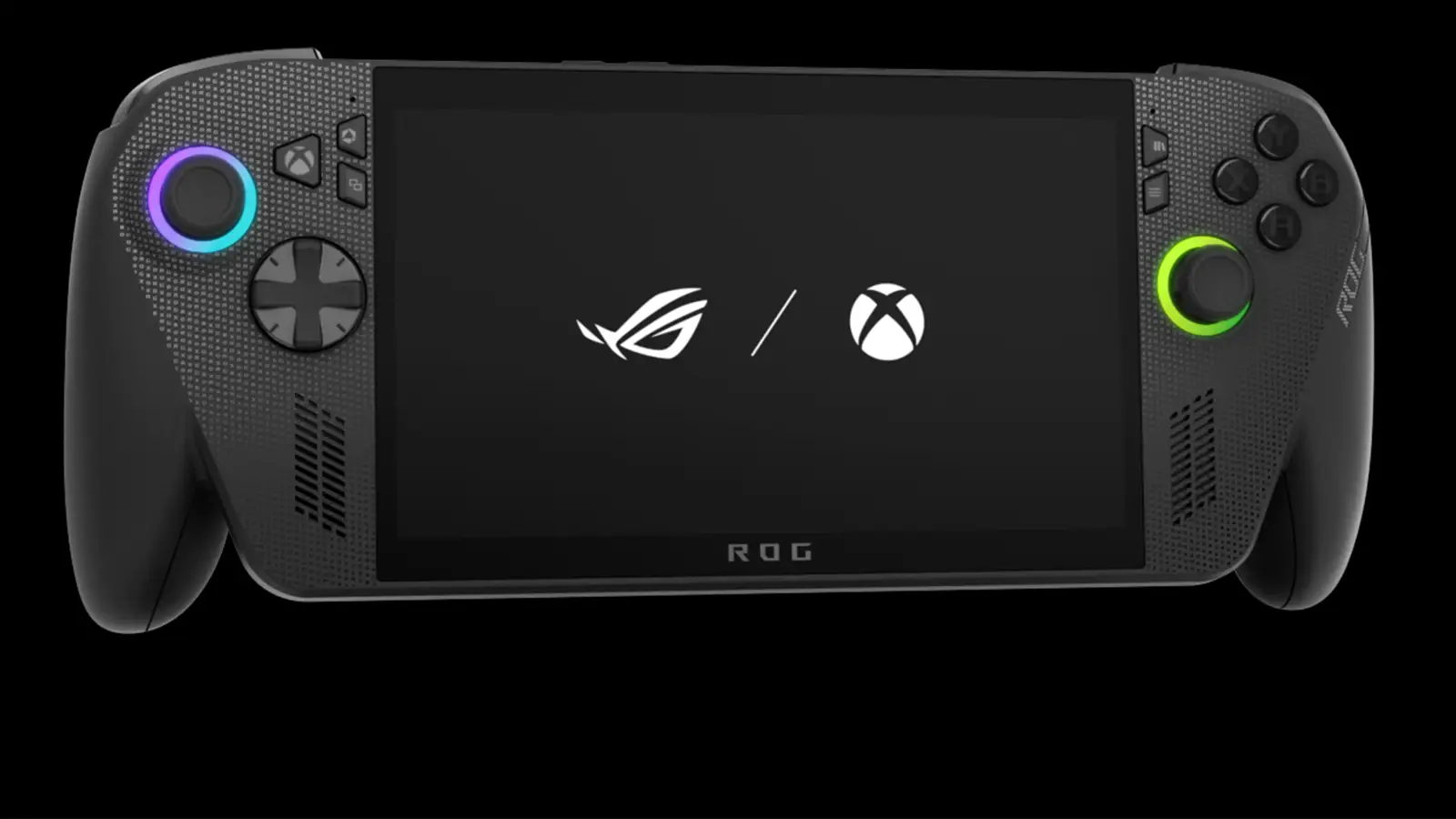
On hardware, Fortune reports a handheld target of holiday 2027 and a next-generation console target of holiday 2028. Internal projections put the Project Helix console at $1,200 to $1,800 unless Microsoft subsidizes it.
The report also describes a dispute over whether the handheld should use a stripped-down Windows build, with Xbox reportedly winning greater control over the software.
Would an independent Xbox be better positioned to compete, or should Microsoft keep the division and fund Sharma’s turnaround? Let us know in the comments.
